
Complete Guide to Video Branding for 2025
Master video branding with this comprehensive guide. Learn key concepts, essential elements, top strategies, and common pitfalls to avoid.
Devdeep
Author
Complete Guide to Video Branding for 2025

More than 85 percent of online users say video shapes how they connect with brands. In a crowded digital landscape, standing out means more than just sharing videos—it requires a thoughtful blend of storytelling, consistent visuals, and emotional impact. Whether you are building a brand from scratch or refining your current video strategy, understanding the essentials of video branding helps you craft content that inspires viewers and encourages lasting engagement.
Table of Contents
Key Takeaways
| Point | Details |
|---|---|
| Video Branding Importance | Video branding is a strategic visual storytelling process that fosters emotional connections with audiences, emphasizing unique brand identities and values. |
| Core Principles | Effective video branding relies on principles such as Cultural Coding, Human Touch, and Emotional Resonance to create compelling brand experiences. |
| Key Elements of Video | Successful video brands combine visual identity, storytelling, emotional engagement, and high-quality production to resonate with viewers. |
| Avoiding Pitfalls | Common challenges in video branding include inconsistent messaging, technical issues, and neglecting audience preferences, which can undermine content effectiveness. |
Defining Video Branding and Core Concepts
- Defining Video Branding And Core Concepts
- Key Elements Of An Effective Video Brand
- Types And Use Cases In Modern Workflows
- Workflow: Creating And Maintaining On-Brand Videos
- Common Pitfalls And How To Avoid Them
Video branding represents the strategic visual storytelling process where businesses communicate their unique identity, values, and messaging through video content. Unlike traditional marketing approaches, modern video branding transcends mere promotional material and becomes a powerful narrative tool that connects emotionally with audiences.
According to LinkedIn Business, effective video branding hinges on five foundational principles: Cultural Coding, Human Touch, Expert Takes, Attention Hacking, and Inspiring Imagination. These principles transform video content from simple communication into compelling brand experiences that resonate deeply with viewers.
At its core, video branding encompasses several critical elements:
- Visual Consistency: Maintaining uniform color schemes, logos, and graphic styles
- Narrative Flow: Creating stories that authentically reflect brand personality
- Emotional Resonance: Crafting content that connects beyond surface-level messaging
- Technical Quality: Ensuring professional production values
The ultimate goal of video branding is not just to inform but to create memorable, shareable experiences that transform passive viewers into engaged brand advocates. By strategically leveraging visual storytelling techniques, brands can differentiate themselves in an increasingly crowded digital landscape.
For creators looking to develop robust video branding strategies, understanding these core concepts becomes paramount. Boom's guide on branded video creation offers additional insights into translating these principles into actionable content strategies.
Key Elements of an Effective Video Brand
Creating an impactful video brand requires a strategic approach that goes beyond simple visual aesthetics. Modern video branding demands a holistic understanding of how multiple elements work together to create a compelling narrative that resonates with your target audience.
Research from arXiv analyzing viral video ads reveals that successful video content consistently leverages two powerful emotional triggers: surprise and joy. These emotional elements transform ordinary video content into memorable experiences that viewers are more likely to share and remember.
According to EWA Direct, the design of video content hinges critically on two fundamental components: visual and auditory elements. These are not just technical considerations but powerful storytelling tools that convey brand messages and create emotional connections.
The key elements of an effective video brand include:
Here's a summary of the key elements that define an effective video brand:
| Element | Description | Role in Branding |
|---|---|---|
| Visual Identity | Consistent colors, logos, graphics | Strengthens recognition |
| Storytelling Approach | Brand-reflective narrative style | Builds emotional connection |
| Emotional Resonance | Content that appeals to audience feelings | Drives engagement and loyalty |
| Technical Production | High-quality audio and visuals | Enhances professionalism |
| Brand Personality | Unique tone and communication style | Differentiates from competitors |
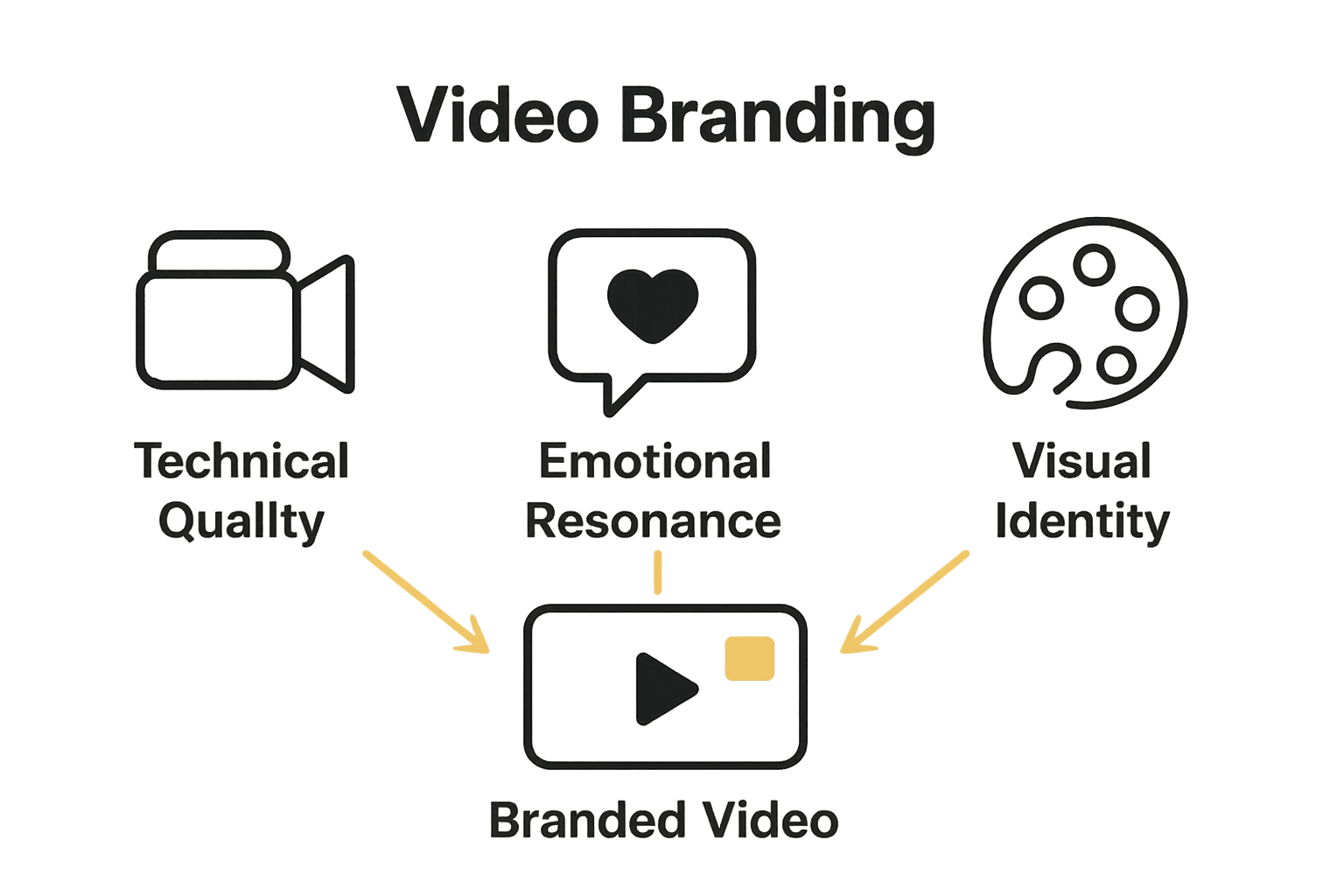
- Visual Identity: Consistent color palettes, logos, and graphic design
- Storytelling Approach: Narrative style that reflects brand personality
- Emotional Resonance: Content that connects authentically with audience feelings
- Technical Production: High-quality audio and visual standards
- Brand Personality: Unique tone and communication style
For teams seeking to refine their video branding strategy, understanding these interconnected elements becomes crucial.

Types and Use Cases in Modern Workflows
Video content has evolved dramatically, transforming from simple marketing tools to sophisticated communication platforms that serve diverse business and creative needs. Modern workflows demand versatile video strategies that can adapt to multiple contexts and audience expectations.
According to Designing IT, contemporary video strategies encompass a wide range of types, each serving unique organizational objectives. These include explainer videos, product demonstrations, customer testimonials, educational how-to videos, live streaming, event highlights, thought leadership interviews, user-generated content, and animated explainers.
Zealous Web highlights the emerging trend of integrating interactive and immersive elements like augmented reality (AR), virtual reality (VR), and interactive storytelling. These technologies are revolutionizing video experiences by providing audiences with highly personalized and engaging content.
Key video types and their primary use cases include:
- Explainer Videos: Simplifying complex concepts for new audiences
- Product Demonstrations: Showcasing features and functionality
- Customer Testimonials: Building trust through authentic experiences
- Educational Content: Teaching skills and sharing knowledge
- Live Streaming: Creating real-time engagement and transparency
- Thought Leadership: Establishing industry expertise
For teams looking to streamline their video content strategies, Boom's guide on collaborative video types offers additional insights into selecting the right video format for specific communication goals.
Workflow: Creating and Maintaining On-Brand Videos
Developing a consistent and effective video branding workflow requires strategic planning and a systematic approach that ensures every piece of content reflects your organization's core identity and messaging objectives.
According to OCM, increasing brand visibility through video content demands a focused strategy centered on key thematic elements and structured storytelling. This means moving beyond random content creation to a deliberate, intentional process that aligns every video with broader organizational goals.
Creativize emphasizes the critical importance of structuring video content with a clear narrative arc - a defined beginning, middle, and end that creates a lasting emotional connection and maintains viewer engagement. This structural approach transforms video from mere information delivery to a compelling storytelling medium.
A robust on-brand video workflow typically involves these key stages:
- Pre-Production Planning: Define core message, audience, and brand guidelines
- Scripting: Develop content that reflects brand voice and communication style
- Visual Design: Create consistent visual elements matching brand identity
- Recording: Capture content with technical and aesthetic consistency
- Post-Production: Edit and refine to ensure brand alignment
- Distribution: Share across relevant channels with strategic intent
Boom's guide on video creation workflow provides additional insights into streamlining this process, helping teams create professional, cohesive video content efficiently and effectively.
Common Pitfalls and How to Avoid Them
Video branding is a nuanced art that requires careful navigation through potential challenges and strategic decision-making. Even the most well-intentioned teams can inadvertently undermine their video marketing efforts by falling into predictable traps that diminish brand effectiveness.
Adilo highlights several critical video marketing pitfalls that can significantly impact content performance. The research emphasizes three primary areas where organizations frequently stumble: video length optimization, thumbnail design, and search engine optimization (SEO) strategies.
The most common mistakes in video branding often stem from a lack of strategic planning and understanding of audience engagement dynamics. These pitfalls can range from technical oversights to strategic misjudgments that disconnect the content from the brand's core messaging and visual identity.
Key pitfalls to watch out for include:
- Inconsistent Branding: Varying visual styles across videos
- Overlooking Technical Quality: Poor audio or video resolution
- Ignoring Audience Preferences: Creating content without understanding target demographics
- Neglecting SEO Optimization: Failing to use appropriate tags and descriptions
- Lack of Clear Messaging: Unclear or scattered content focus
- Excessive Length: Creating videos that lose viewer attention
Boom's tutorial on avoiding video creation mistakes offers practical strategies for teams looking to refine their video branding approach and sidestep common production pitfalls.
Transform Your Video Branding with AI Power
The Complete Guide to Video Branding for 2025 highlights key challenges such as maintaining visual consistency, crafting a strong narrative flow, and ensuring high technical quality—all essential to building emotional connections and standing out in a crowded market. If you struggle with complex video workflows or inconsistent branding, Boom offers an AI-powered solution that simplifies creating polished, on-brand videos effortlessly.
With Boom's voice-to-video recording, auto-scripting, and instant branding features you can capture your message with clarity and style without scheduling endless meetings. Say goodbye to long editing sessions and hello to more time earned while producing engaging videos that resonate with your audience.
Take your video branding to the next level today by exploring Boom's intuitive video creation workflow designed for teams and creators.

Ready to replace chaotic meetings with streamlined video collaboration? Visit Boom now and start creating on-brand, high-impact videos that amplify your brand story with speed and ease. Unlock your team’s creative potential and never meet again.
Frequently Asked Questions
What is video branding and why is it important?
Video branding is the strategic visual storytelling process where businesses communicate their unique identity and values through video content. It is important because it creates emotional connections with audiences, differentiating brands in a crowded market.
What are the key elements of an effective video brand?
The key elements include visual identity, storytelling approach, emotional resonance, technical production quality, and brand personality. Together, these elements create a cohesive narrative that resonates with the target audience.
How can brands ensure consistent video branding?
Brands can ensure consistency by maintaining uniform visual elements, following a structured narrative arc in their videos, and aligning all content with their core messaging and brand guidelines throughout the production process.
What common pitfalls should be avoided in video branding?
Common pitfalls include inconsistent branding, poor technical quality, neglecting audience preferences, and failing to optimize content for SEO. These mistakes can detract from the effectiveness of video branding efforts.
Recommended
About the Author
Devdeep
Senior Software Engineer.