
What Is Feedback Video and Why It Matters
Feedback video explained—discover what it is, how async tools like Boom work, real-world uses, key benefits, and best practices for effective, on-brand sharing.
Birju
Author
What Is Feedback Video and Why It Matters

Over half of American professionals now favor video-based communication at work, reflecting a major shift away from plain text feedback. As teams spread across different cities and time zones become the norm, delivering clear and meaningful commentary presents new challenges. Understanding how feedback videos work, and what makes them effective, empowers American organizations to overcome common barriers and connect with greater clarity, empathy, and impact.
Table of Contents
Key Takeaways
| Point | Details |
|---|---|
| Feedback Videos Enhance Communication | They provide richer context and emotional intelligence compared to traditional text-based methods. |
| Asynchronous Tools Reduce Barriers | Users can communicate effectively without needing simultaneous engagement, making them ideal for remote teams. |
| Diverse Applications Across Fields | Feedback videos can be tailored for project evaluations, education, technical reviews, and client interactions. |
| Best Practices Improve Effectiveness | Investing in technical quality and careful structuring enhances clarity and engagement of feedback videos. |
Defining Feedback Video and Core Concepts
- Defining Feedback Video and Core Concepts
- How Async Video Feedback Tools Work
- Types of Feedback Videos and Their Uses
- Benefits Over Traditional Feedback Methods
- Best Practices for Effective Feedback Videos
A feedback video represents a strategic communication method where individuals record visual messages to provide context-rich, nuanced commentary on projects, performance, or specific tasks. Unlike traditional text-based communication, feedback videos offer deeper context through vocal tone, facial expressions, and visual demonstrations that transform static information into dynamic insights.
The core components of feedback videos typically include visual recording, audio narration, screen sharing capabilities, and interactive annotation features. Effective video communication methods demonstrate how these elements combine to create powerful asynchronous messaging that transcends traditional communication barriers. These videos enable professionals to communicate complex ideas with greater precision and emotional intelligence, reducing potential misunderstandings inherent in written communication.
Key characteristics that distinguish feedback videos include their ability to capture non-verbal communication signals, provide immediate visual context, and allow for detailed explanations without scheduling conflicts. Professionals across industries leverage these videos to streamline collaboration, offer precise guidance, and maintain clear communication channels without requiring simultaneous participant availability. The flexibility of feedback videos makes them particularly valuable for remote teams, distributed workforces, and collaborative environments that span different time zones.
Pro Tip: Record Your Feedback Video Strategically: Prepare a brief outline before recording, speak clearly and concisely, and focus on specific, actionable insights that help your recipient understand exactly what you mean.
How Async Video Feedback Tools Work
Async video feedback tools are sophisticated digital platforms designed to transform communication by enabling users to record, share, and annotate video messages without requiring simultaneous participant engagement. These tools leverage advanced recording technologies, screen capture capabilities, and collaborative annotation features to create a seamless communication experience that transcends traditional time and location constraints.
The operational mechanics of these tools typically involve several key stages. First, users initiate video recording using integrated camera and screen sharing functionalities, allowing them to capture visual demonstrations, walk-throughs, or detailed explanations. Comprehensive async video communication strategies highlight how these platforms enable precise, context-rich messaging that goes beyond traditional text-based communication methods. The recorded content can include webcam footage, screen recordings, annotations, and real-time visual demonstrations that provide nuanced context for feedback and instructions.
After recording, async video feedback tools offer robust sharing and collaboration features. Users can instantly distribute their videos through secure links, embed them in project management platforms, or integrate them directly into existing workflow systems. These tools often include advanced features like time-coded comments, frame-specific annotations, and interactive review mechanisms that allow recipients to provide targeted responses or clarifications. The asynchronous nature of these platforms eliminates scheduling conflicts, reduces communication overhead, and enables team members to engage with content at their own convenience.
Pro Tip: Optimize Your Async Video Workflow: Prioritize clear audio, use concise screen sharing, and structure your video with a brief introduction, main content, and clear conclusion to maximize viewer comprehension and engagement.
Types of Feedback Videos and Their Uses
Feedback videos encompass a diverse range of communication styles tailored to specific professional and educational contexts. These specialized video formats enable individuals to provide nuanced, context-rich information across various scenarios, transforming how teams and professionals exchange insights and evaluations. Exploring effective video presentation formats reveals the strategic versatility of these communication tools.
The primary types of feedback videos can be categorized into several distinct applications. Project performance videos allow managers to provide comprehensive evaluations of team member contributions, highlighting strengths and suggesting improvement areas through visual demonstrations. Educational feedback videos enable instructors to offer detailed critique of student work, using screen recordings to pinpoint specific areas of excellence or needed development. Technical feedback videos are particularly powerful in software development and design fields, where screen sharing and annotation tools allow for precise, frame-by-frame analysis of code, design elements, or complex workflows.
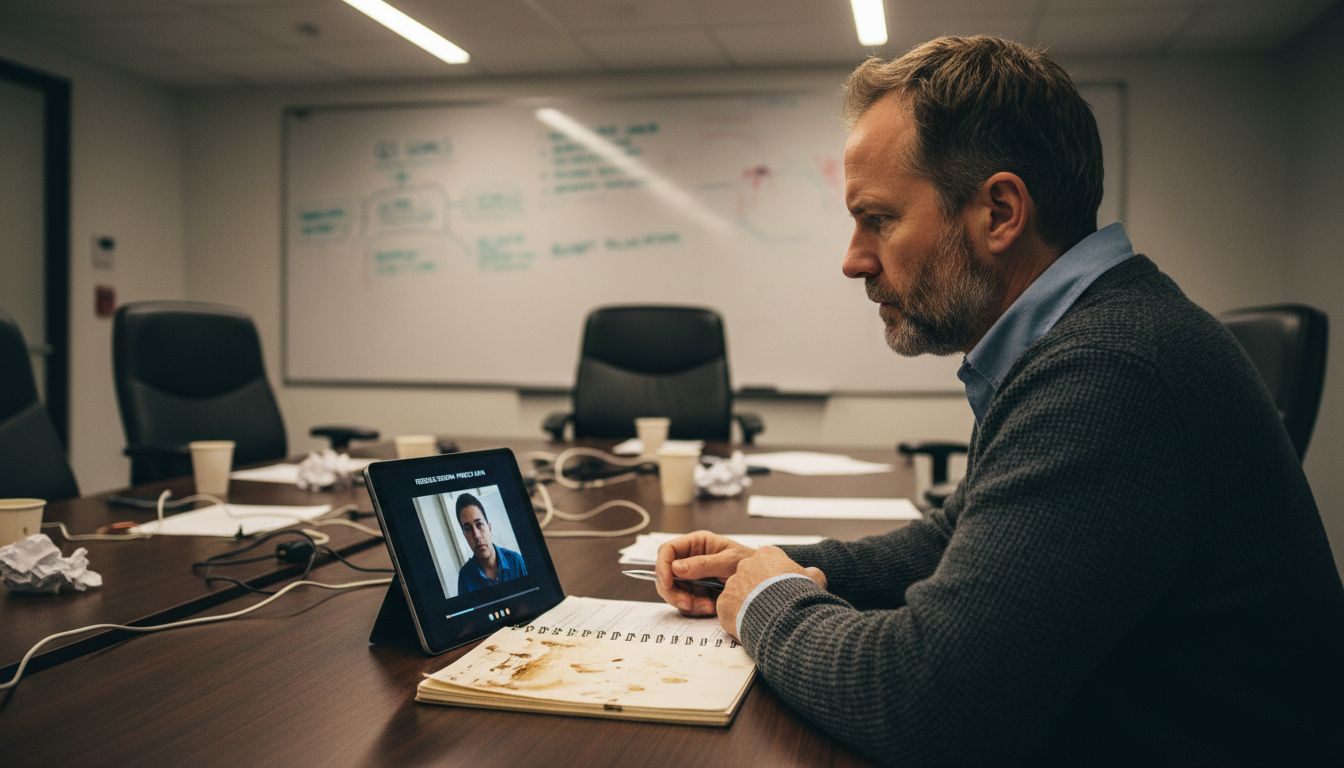
Beyond professional contexts, feedback videos have expanded into creative and collaborative domains. Product development teams use these videos to provide rapid prototype evaluations, designers offer visual critiques of graphic work, and remote teams leverage them to maintain clear, contextual communication without scheduling synchronous meetings. The versatility of feedback videos extends to client interactions, performance reviews, training modules, and peer-to-peer learning environments, making them a transformative communication tool across multiple industries and professional settings.
Here's a comparison of feedback video types and their typical applications:
| Feedback Video Type | Common Use Case | Typical Audience |
|---|---|---|
| Project Performance | Team member evaluations | Managers, team leads |
| Educational Feedback | Student assignment critique | Teachers, students |
| Technical Feedback | Code/design review | Developers, designers |
| Product Evaluation | Prototype or demo review | Product teams, clients |
| Peer Collaboration | Cross-functional knowledge sharing | Remote or hybrid teams |
Pro Tip: Tailor Your Feedback Style: Match your video's tone and detail level to your audience, considering their expertise, learning style, and specific communication needs to maximize comprehension and actionable insights.
Benefits Over Traditional Feedback Methods
Feedback videos represent a transformative communication approach that significantly outperforms traditional text-based and synchronous feedback methods. By integrating visual, auditory, and contextual elements, these dynamic communication tools provide a more comprehensive and nuanced approach to sharing insights, critiques, and professional guidance. Optimizing video presentations for maximum impact demonstrates the strategic advantages of this emerging communication format.
Traditional feedback methods like email, written reports, or scheduled meetings often suffer from critical limitations that feedback videos effectively address. Text-based communication frequently lacks emotional context, tone interpretation, and visual demonstration capabilities. In contrast, feedback videos enable precise screen sharing, real-time annotation, and the ability to demonstrate complex concepts through visual storytelling. This approach reduces misunderstandings, provides immediate context, and allows recipients to revisit and carefully analyze detailed feedback at their own pace, resulting in more effective comprehension and actionable insights.
The asynchronous nature of feedback videos introduces unprecedented flexibility and efficiency into professional communication workflows. Remote teams, distributed workforces, and global collaborators can exchange detailed, high-context feedback without navigating challenging scheduling constraints or time zone differences. These videos eliminate the need for synchronous meetings, reduce communication overhead, and create a permanent, reviewable record of professional guidance that can be referenced, shared, and integrated into ongoing projects with unprecedented ease and clarity.
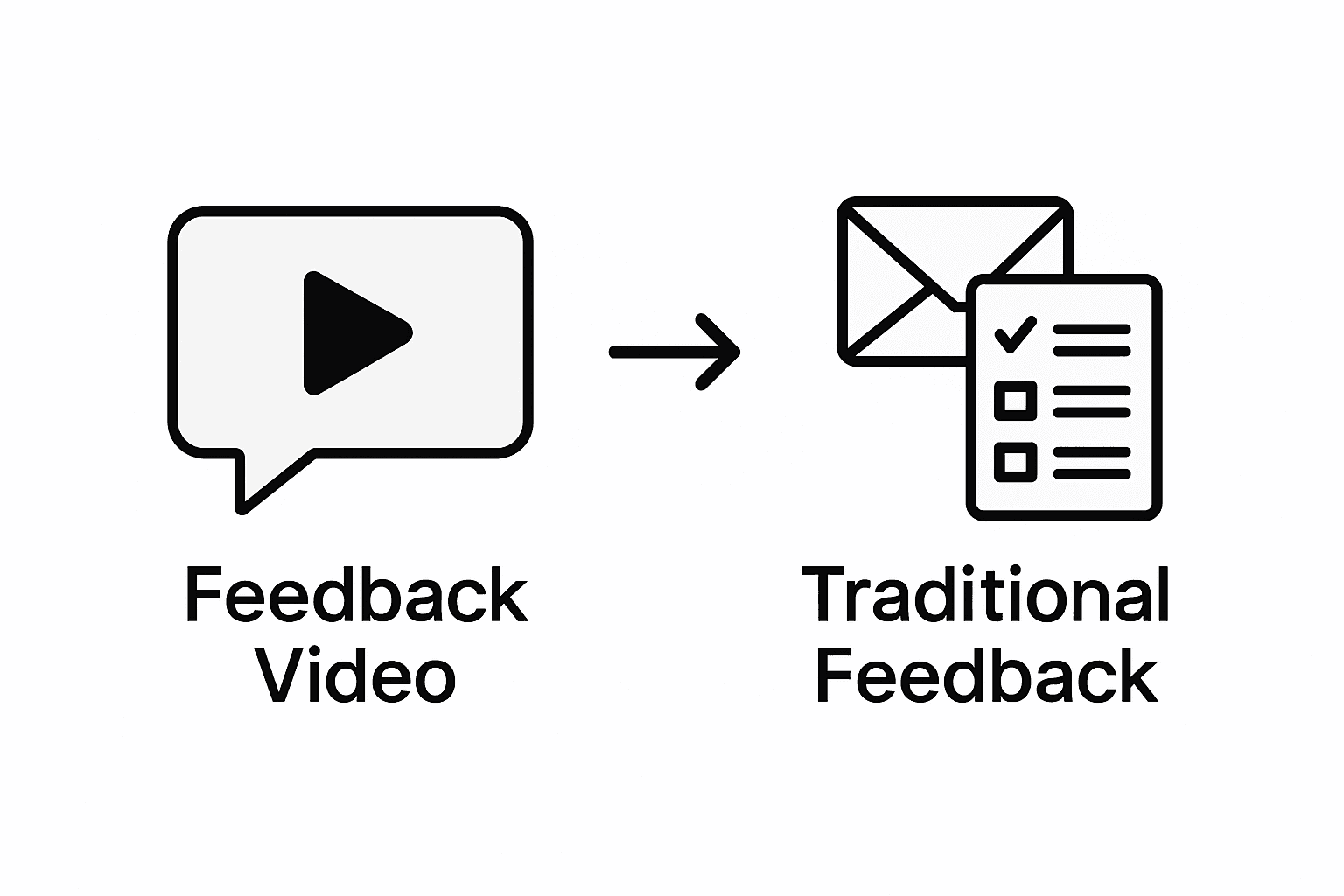
This table highlights key benefits of feedback videos compared to traditional feedback methods:
| Aspect | Feedback Video | Traditional Method |
|---|---|---|
| Emotional Context | Clear tone and visuals | Easily misconstrued |
| Flexibility | Asynchronous viewing | Requires scheduling |
| Demonstration Power | Visual/interactive | Text-only, static |
| Reviewability | Replay anytime | Limited reusability |
Pro Tip: Maximize Video Feedback Effectiveness: Structure your feedback videos with a clear introduction, specific visual demonstrations, and concise recommendations to ensure your message is both comprehensive and easily digestible.
Best Practices for Effective Feedback Videos
Effective feedback videos require a strategic approach that balances technical quality, communication clarity, and professional presentation. Creating impactful video feedback demands careful planning, intentional structure, and a deep understanding of how visual communication can enhance message delivery. Creating instructional videos with easy step-by-step guidance offers valuable insights into crafting compelling visual content.
The fundamental elements of successful feedback videos include several critical components. Technical quality matters significantly, so professionals should invest in clear audio equipment, stable camera positioning, and appropriate lighting conditions. Screen recording capabilities should be crisp and focused, with intentional annotations that highlight specific points of discussion. Structure is paramount: begin with a brief context-setting introduction, deliver the core feedback with precise visual demonstrations, and conclude with actionable recommendations that provide clear guidance for improvement.
Beyond technical considerations, the psychological and communicative aspects of feedback videos are equally important. Tone, pacing, and emotional intelligence play crucial roles in how feedback is received. Successful video feedback creators maintain a balanced, constructive approach, avoiding overly critical language while providing specific, actionable insights. They use visual storytelling techniques to make complex feedback more engaging and comprehensible, breaking down intricate concepts into digestible visual narratives that help recipients fully understand and implement suggested improvements.
Pro Tip: Craft Feedback with Precision: Prepare a brief outline before recording, focus on specific, observable behaviors or outcomes, and frame your feedback as a collaborative pathway to improvement rather than a purely evaluative exercise.
Transform Your Feedback With Async Video That Saves Time and Boosts Clarity
The challenge of giving clear, actionable feedback without the confusion and delays of traditional methods is real. This article highlights how feedback videos unlock emotional context, visual demonstrations, and flexible timing to eliminate misunderstandings and scheduling hassles. If you struggle with tangled emails, lost tone, or never-ending meetings, you need a solution built for the modern async work culture.
Boom is the AI-powered async video tool that turns feedback into a time-saving superpower. Featuring voice-to-video recording and AI scripting, you can craft precise, engaging videos that bring your message to life without losing nuance. Collaborate seamlessly with in-video comments and share instantly to overcome timezone barriers. Whether you want to perfect your feedback style or replace disruptive meetings with clear, reviewable videos What Is Feedback Video and Why It Matters explains the why — Boom shows you the how.
Ready to boost your team’s communication and reclaim your time? Explore how Boom’s async video platform makes every word count with speed, clarity, and control. Visit Boom Landing Page now and start earning your time back with every video you make.
Frequently Asked Questions
What is a feedback video?
A feedback video is a recorded visual message that provides context-rich commentary on tasks, performance, or projects, utilizing vocal tone, facial expressions, and visual demonstrations to enhance understanding.
How do feedback videos improve communication compared to traditional methods?
Feedback videos capture non-verbal communication, provide immediate visual context, and reduce misunderstandings that can occur with text-based communication, making them more effective for sharing insights.
What are the key components of an effective feedback video?
An effective feedback video includes high-quality visual and audio elements, structured content with a clear introduction, main body, and conclusion, and specific actionable feedback to guide the recipient.
In which scenarios are feedback videos particularly useful?
Feedback videos are particularly useful for project evaluations, educational critiques, technical reviews, remote team collaboration, and any situation requiring nuanced communication without the need for synchronous meetings.
Recommended
About the Author
Birju
Senior Software Engineer.