
What Is Student Video Delivery? Complete Overview
Student video delivery explained: comprehensive guide to definitions, methods, technologies, best practices, and challenges in 2025.
Birju
Author
What Is Student Video Delivery? Complete Overview
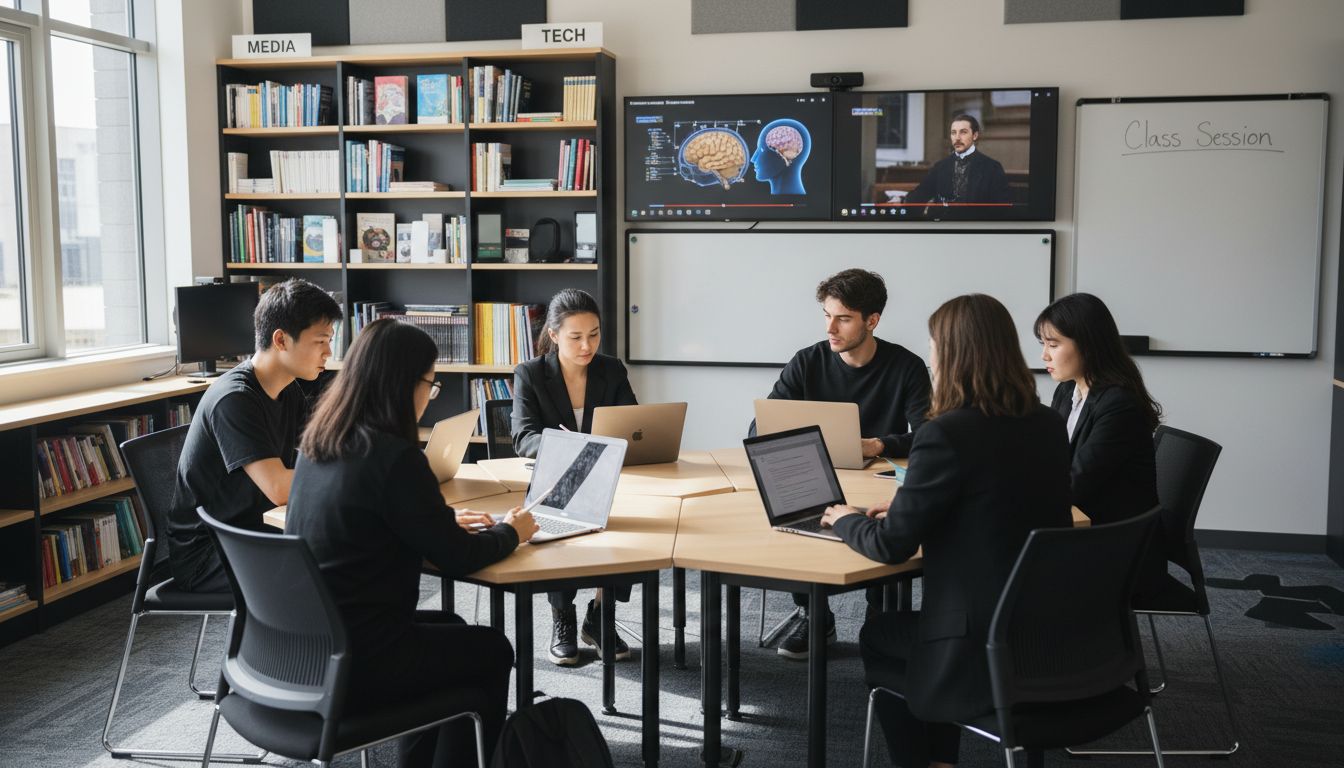
More than 90 percent of american colleges now rely on video platforms to connect students with course material beyond the physical classroom. This widespread adoption of technology is reshaping how learners engage with academic content and how instructors share expertise. Understanding student video delivery systems is crucial for anyone interested in how digital tools are expanding access, flexibility, and personalization in american education.
Table of Contents
Key Takeaways
| Point | Details |
|---|---|
| Integration of Technology | Student video delivery systems combine advanced hardware and software to enhance educational experiences and provide greater accessibility. |
| Flexible Delivery Methods | Various delivery methods, including asynchronous and synchronous models, cater to diverse learning preferences and schedules. |
| Interactive Learning Environments | These systems foster engagement through real-time interaction tools and multimedia content, promoting personalized learning. |
| Challenges and Solutions | Institutions face technical and pedagogical challenges that require strategic planning to ensure effective implementation and engagement. |
Defining Student Video Delivery Systems
- Defining Student Video Delivery Systems
- Main Types And Delivery Methods Explained
- Key Features And Essential Technologies
- Practical Applications And Real-World Use Cases
- Challenges, Risks, And Common Pitfalls
Student video delivery systems are comprehensive technological platforms designed to capture, distribute, and manage educational video content for academic environments. These sophisticated systems represent a critical intersection between educational technology and digital communication, enabling more flexible and accessible learning experiences.
At their core, integrated learning systems facilitate the seamless transmission of educational materials through digital video platforms. These systems typically incorporate advanced hardware and software solutions that allow educators to record, store, and share lecture content with students across various digital channels. Fundamentally, they transform traditional classroom interactions by providing on-demand video access that transcends geographical and temporal limitations.
Key components of student video delivery systems often include:
- Lecture recording capabilities
- Secure content management infrastructure
- Cross-platform compatibility
- Advanced streaming technologies
- Interactive viewing features
The technological evolution of these systems reflects a broader shift toward more adaptable and student-centered learning environments. By enabling multiple video presentation formats, educational institutions can create more engaging and personalized educational experiences that accommodate diverse learning preferences and technological capabilities.
Main Types and Delivery Methods Explained
Student video delivery systems encompass multiple sophisticated approaches for transmitting educational content, each designed to meet specific learning objectives and technological constraints. These methods have evolved dramatically, transforming how academic institutions share knowledge across digital platforms.
Asynchronous learning represents one of the most flexible delivery methods, allowing students to access recorded lectures, discussion boards, and educational resources without real-time constraints. This approach enables learners to consume educational content according to their individual schedules, breaking traditional time and location barriers. Typical asynchronous delivery techniques include pre-recorded video lectures, online discussion forums, email-based interactions, and self-paced learning modules.
The primary delivery methods in student video systems can be categorized into several distinct approaches:
- Synchronous Video Streaming: Real-time interactive sessions
- Asynchronous On-Demand Content: Recorded lectures and materials
- Hybrid Learning Models: Combining live and pre-recorded elements
- Interactive Video Platforms: Enabling direct student engagement
Distance learning technologies further expand these delivery methods through advanced video conferencing, web-based platforms, and comprehensive course management systems. These technologies provide multiple channels for educational content transmission, ensuring that students can access learning materials through diverse technological interfaces and communication protocols.
Key Features and Essential Technologies
Student video delivery systems integrate a complex array of cutting-edge technologies designed to create seamless, interactive, and accessible learning environments. These sophisticated platforms combine multiple technological components to transform traditional educational content delivery.
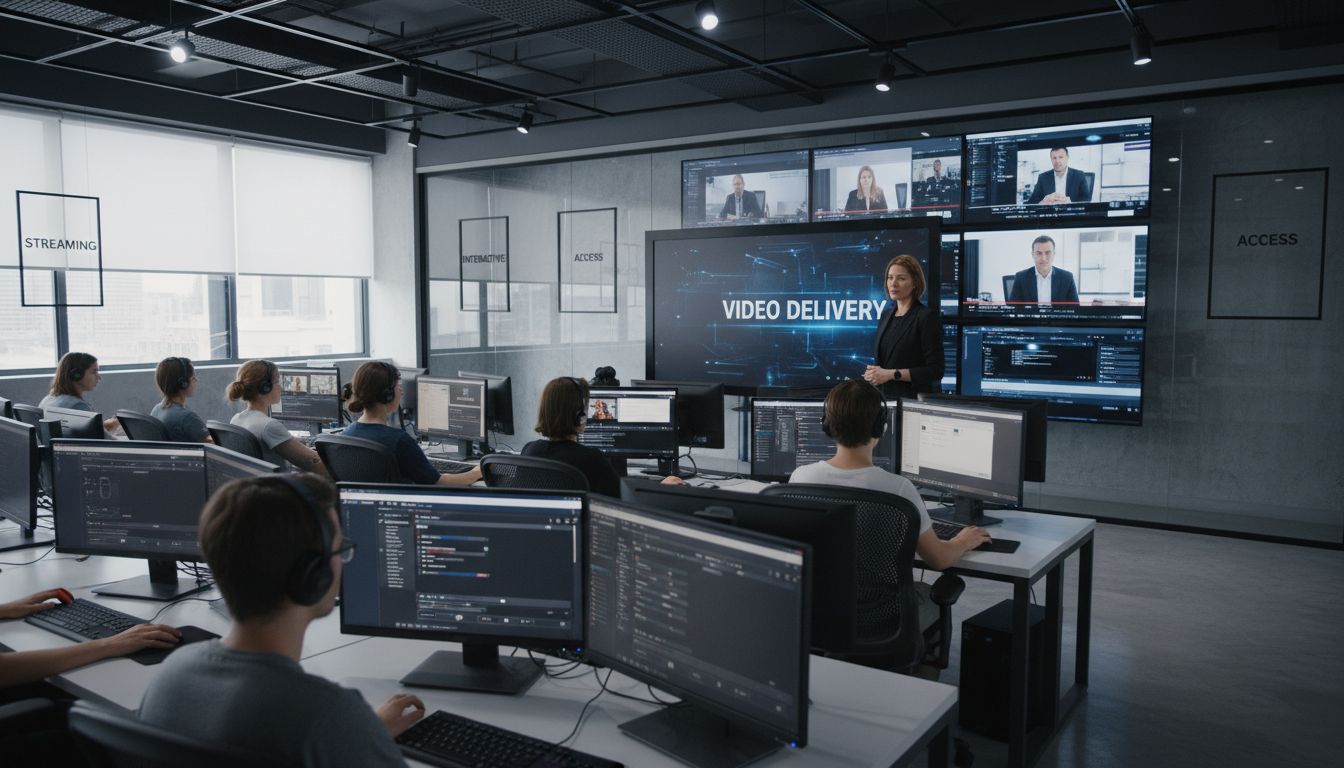
Video-based learning represents a critical technological advancement, enabling educators to engage visual and auditory learners through dynamic multimedia content. By leveraging high-quality video technologies, these systems can break down complex concepts into digestible visual narratives, significantly enhancing student comprehension and knowledge retention.
Key technological features of modern student video delivery systems include:
- High-Definition Video Streaming
- Real-Time Interaction Tools
- Cloud-Based Content Management
- Adaptive Streaming Technologies
- Cross-Platform Compatibility
- Advanced Analytics and Tracking
Technology-enabled distance learning platforms provide robust infrastructures that support both synchronous and asynchronous educational experiences. These technologies encompass interactive tools like live video conferencing, digital discussion boards, and comprehensive learning management systems that enable seamless knowledge transmission across geographical and temporal boundaries. The integration of artificial intelligence and machine learning further enhances these platforms, providing personalized learning experiences and intelligent content recommendations tailored to individual student needs.
Practical Applications and Real-World Use Cases
Student video delivery systems have transformed educational experiences across multiple disciplines, providing innovative solutions for knowledge transmission and collaborative learning. These technological platforms extend far beyond traditional classroom boundaries, creating dynamic and flexible learning environments that adapt to diverse educational needs.
Content delivery modes have demonstrated significant impact across academic settings, particularly in specialized fields like medical and technical education. For instance, anatomy courses have successfully utilized online video vignettes to supplement traditional lectures, enabling students to review complex visual information at their own pace and reinforce critical learning concepts.
Practical applications of student video delivery systems span multiple academic and professional contexts:
- Medical Education: Surgical technique demonstrations
- Technical Training: Step-by-step equipment operation guides
- Professional Development: Skill workshops and certification programs
- Research Presentations: Detailed methodology explanations
- Language Learning: Immersive cultural and linguistic experiences
University student learning preferences highlight the versatility of video delivery technologies, revealing that students appreciate flexible, multimodal learning approaches. These systems enable institutions to create personalized educational experiences that accommodate different learning styles, technological proficiencies, and individual scheduling constraints, ultimately democratizing access to high-quality educational content across global platforms.
Challenges, Risks, and Common Pitfalls
Student video delivery systems, while revolutionary, are not without significant technological and pedagogical challenges that can potentially undermine their effectiveness. Educational institutions must carefully navigate these complex technological landscapes to ensure meaningful learning experiences.
Distance learning technologies present multiple critical challenges that require strategic management. Primary concerns include maintaining consistent student engagement, managing technical infrastructure, and creating interactive learning environments that compensate for the lack of physical classroom dynamics. Technical issues such as unreliable internet connections, compatibility problems across different devices, and potential security vulnerabilities can significantly disrupt educational continuity.
Key challenges in student video delivery systems include:
- Technical Infrastructure Limitations
- Engagement and Motivation Barriers
- Digital Literacy Disparities
- Privacy and Data Security Concerns
- Accessibility for Diverse Learner Populations
- Quality Control of Educational Content
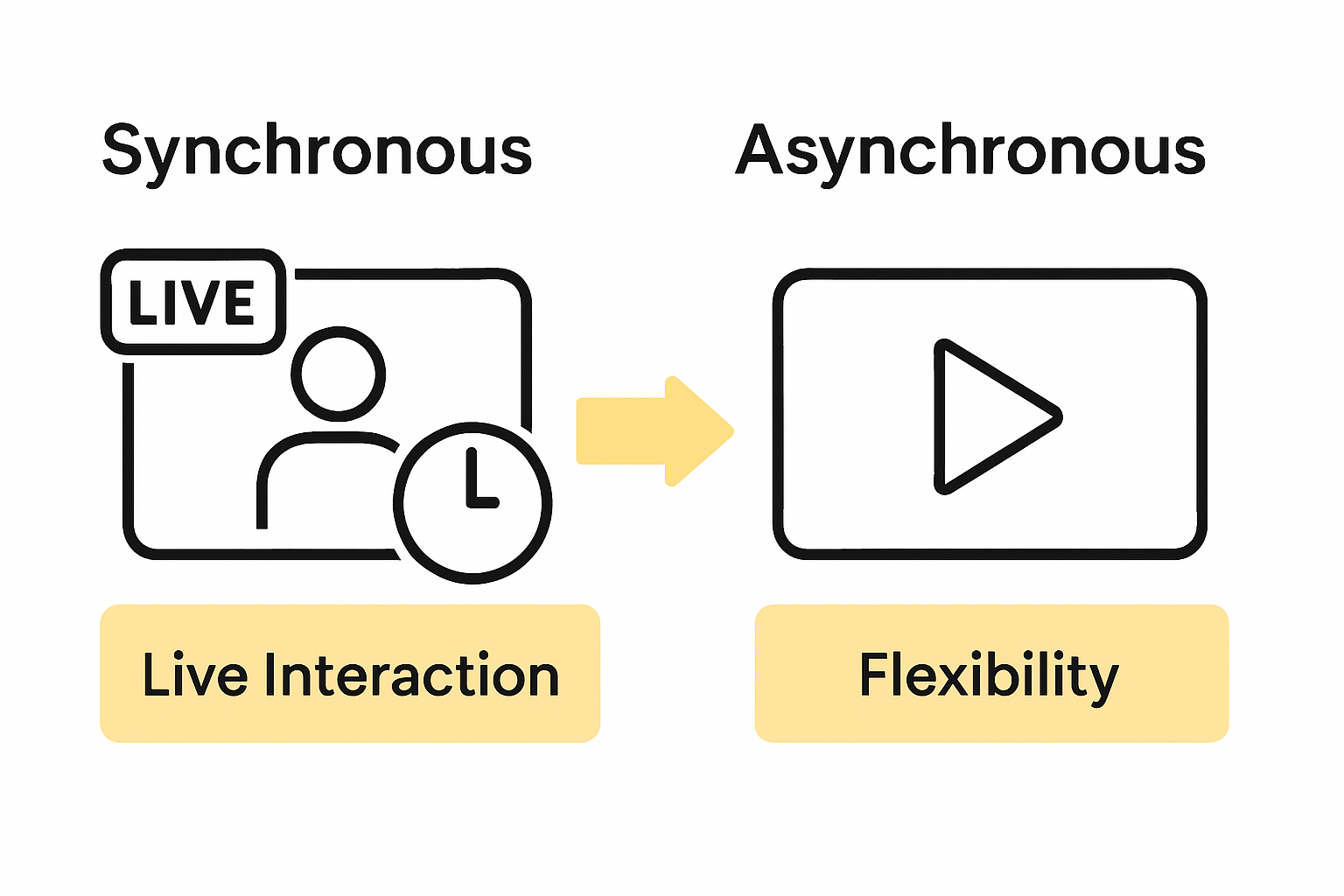
Synchronous and asynchronous delivery methods each introduce unique complications. Synchronous platforms struggle with real-time interaction constraints, while asynchronous models face challenges in maintaining student accountability and preventing learner isolation. Successful implementation requires sophisticated pedagogical strategies that balance technological capabilities with nuanced educational design, ensuring that digital platforms enhance rather than replace meaningful academic interactions.
Transform Your Student Video Delivery with Boom’s AI-Powered Async Video Tool
The article highlights how student video delivery systems face challenges like maintaining engagement, managing technical infrastructure, and creating truly interactive asynchronous experiences. If you want to overcome the hurdles of scheduling conflicts, unreliable streaming, and complex video production, Boom’s AI-Powered Bank of Time offers the perfect solution. Boom helps educators and students record, polish, and share on-demand videos effortlessly — without the stress of real-time meetings or technical headaches.
With Boom, you can harness features made for student video delivery demands such as voice-to-video recording, auto-generated scripts, AI voiceover with multilingual dubbing, and easy branding that keeps your content professional at all times. These tools directly address the need for dynamic, adaptive, and accessible learning content, supporting both synchronous and asynchronous education models discussed in the article.
Ready to save hours, boost student engagement, and deliver crystal-clear educational videos asynchronously No more scheduling pain or tech troubles—just smooth communication tailored to your needs. Explore Boom today and see how you can start earning your time back with every video.
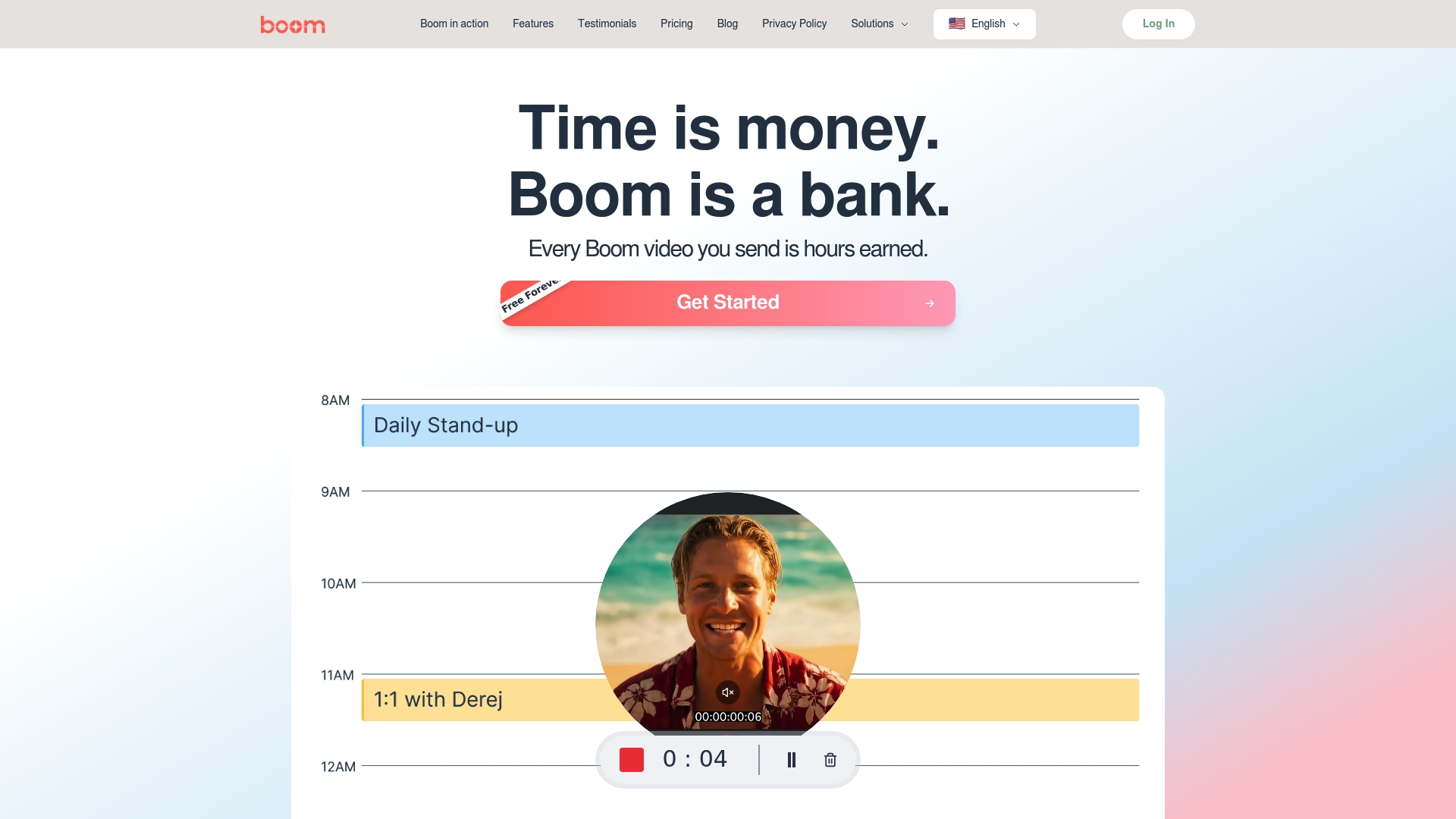
Experience the future of student video delivery now. Visit Boom’s landing page to get started free forever and revolutionize your educational video communication.
Frequently Asked Questions
What are student video delivery systems?
Student video delivery systems are technological platforms that capture, distribute, and manage educational video content, enabling flexible and accessible learning experiences in academic environments.
What are the main types of delivery methods for student video systems?
The primary delivery methods include synchronous video streaming (real-time sessions), asynchronous on-demand content (recorded lectures), hybrid learning models (combining live and pre-recorded elements), and interactive video platforms that encourage student engagement.
How do student video delivery systems enhance learning?
These systems enhance learning by providing on-demand access to educational materials, allowing students to engage with content at their own pace and accommodating diverse learning preferences through various multimedia formats.
What challenges do educational institutions face with video delivery systems?
Challenges include maintaining student engagement, managing technical infrastructure, addressing digital literacy disparities, ensuring content quality, and addressing privacy and data security concerns.
Recommended
About the Author
Birju
Senior Software Engineer.